
Scales vs Arpeggios on Guitar: What’s the Difference?
Scales and arpeggios can look similar on the fretboard, but they organise notes differently. Understanding the difference helps you connect melodies, chords and the shapes you play.
Watch the video, then use the examples below to compare them.
What is a scale?
A scale is a set of notes arranged in ascending or descending pitch order.
For example, the C major scale contains seven different notes:
C – D – E – F – G – A – B
Play the next C to complete the octave:
C – D – E – F – G – A – B – C
Scales give you a collection of notes to explore when playing melodies, learning a key or improvising.

What is an arpeggio?
An arpeggio is the notes of a chord played individually, rather than together.
A C major chord contains three different notes:
C – E – G
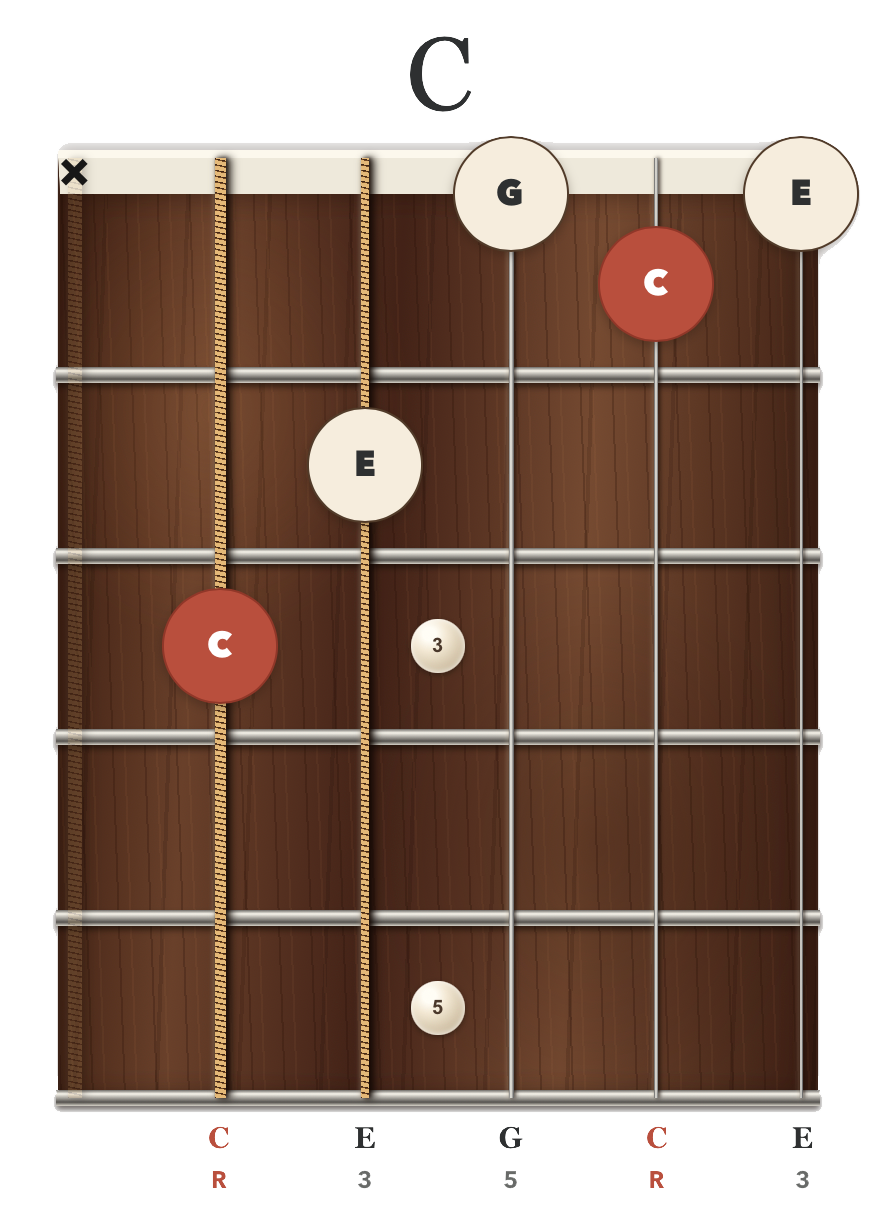
Play those notes one at a time and you’re playing a C major arpeggio. You can continue to the next C:
C – E – G – C
The notes can span several octaves and appear in different orders. What makes them an arpeggio is their relationship to the chord.

Hear the difference
Compare these two examples:
| C major scale | C major arpeggio |
|---|---|
C – D – E – F – G – A – B – C |
C – E – G – C |
| Uses all seven notes of the scale | Uses the three notes of the C major chord. |
Play both slowly and listen.
The scale moves through each successive scale note.
The arpeggio skips to the chord tones, outlining the sound of C major.
💡 The key difference is which notes you play—not how quickly you play them or which picking technique you use.
Do arpeggios require sweep picking?
No. You can play arpeggios using alternate picking, fingerpicking, sweep picking or a combination of techniques.
An arpeggio describes the notes. Sweep picking describes a picking movement.
If you’d like to explore those movements, see five essential guitar picking techniques.
Why learn both?
Scales help you explore the notes of a key and find your way around the fretboard. Arpeggios help you recognise chord tones and hear how a melody connects with the accompanying chords.
Learning them together makes that relationship easier to understand: in this example, C, E and G belong to both the C major scale and the C major chord.
Start by comparing one scale with its matching arpeggio. Aim to hear the difference as well as remember the shapes.
Ready to put it all together?
Build your skills with a clear sequence of lessons and practical songs. Find a guitar course that fits where you are now.
Useful guitar ideas, occasionally.
Get practical tips, new resources and course updates from Reuben. A little inspiration for your playing, without a crowded inbox.
By signing up, you agree to receive guitar tips and course news by email. Unsubscribe at any time.
